Ask your projects data anything. Get answers in seconds. Plexa MCP Connector is live. See it in action
Extension of time
Also known as: EOT, time extension
Definition
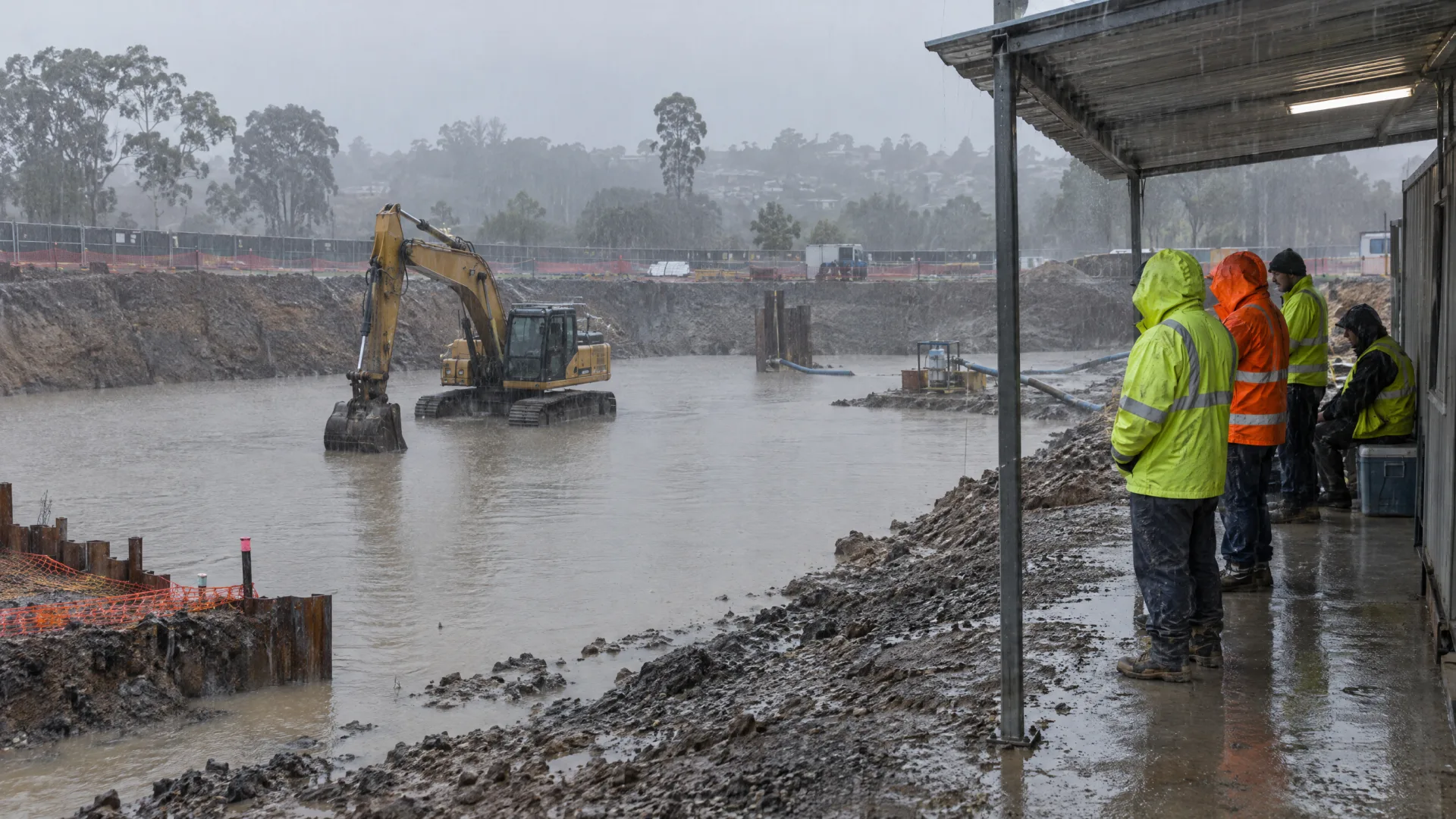
An extension of time (EOT) is extra time added to the date for practical completion because of a delay the contractor is not responsible for, such as a variation, a latent condition or a principal-caused delay. A granted EOT protects the contractor from liquidated damages for that period.
How an Extension of Time Works
Most Australian contracts follow the same basic steps. The contractor becomes aware of a delay, gives notice of the delay, then submits a written claim for an extension of time within a set period. The superintendent assesses the claim and grants the extension it considers reasonable, or rejects it with reasons.
A claim normally has to show three things. The delay was caused by a qualifying cause, it actually delayed the work on the critical path to practical completion, and the contractor gave the notices the contract requires. The date for practical completion moves by the extension granted, and liquidated damages are worked out from the new date.
For a deeper look, read Extensions of Time in Australian Construction: When to Claim, How to Prove It, What They Really Cost.
What an EOT Claim Must Include
Cause of delay. The event and the contract clause that makes it a qualifying cause, for example a variation, latent condition, inclement weather allowance or act of the principal.
Dates. When the delay started, when it ended or is expected to end, and when you became aware of it.
Critical path impact. A programme analysis showing how the event delayed practical completion, not just an activity with float.
Mitigation. What you did to reduce the delay.
Days claimed. The number of working or calendar days, matching how the contract counts time.
EOTs in AS 4000 and AS 2124
The time and progress clauses cover notice of delay, claims for extension of time, assessment and liquidated damages in one place.
AS 4000-1997. Clause 34, Time and progress.
AS 2124-1992. Clause 35, Time for commencement and practical completion. Subclause 35.5 deals with extensions of time.
Your contract. Check the time limits for notices and claims, and whether the special conditions make them a condition precedent, meaning a late claim is barred.
Extension of Time vs Notice of Delay
A notice of delay and an extension of time claim are two separate steps, and many contracts require both. The notice of delay tells the superintendent that something is delaying, or is likely to delay, the works. It is usually due soon after the contractor becomes aware of the delay, and does not need a full analysis.
The extension of time claim comes later and sets out the cause, the effect on practical completion and the number of days claimed, with supporting programme analysis. Some contracts allow a claim to be updated while a delay is continuing.
Treat the notice as an early warning. Sending it promptly protects the right to claim, gives the principal a chance to respond, and starts the record you will rely on if the claim is disputed.
Common Mistakes With Extensions of Time
Missing the time bar. Many amended contracts make on-time notice a condition precedent. A genuine delay can be lost on a late notice.
Claiming non-critical delay. Delay to an activity with float does not usually delay practical completion.
No contemporaneous records. Site diaries, weather records, directions and photos made at the time carry far more weight than a reconstruction months later.
Forgetting delay costs. An EOT gives time, not money. Check whether the contract allows delay damages or costs and claim them separately.
Frequently asked questions
What does EOT stand for in construction?
−
EOT stands for extension of time. It is a formal adjustment to the date for practical completion under the construction contract, granted when the contractor is delayed by a cause the contract says it should not bear, such as a variation or latent condition.
Does an extension of time come with extra money?
−
Not automatically. An EOT moves the completion date and protects the contractor from liquidated damages. Whether the contractor also recovers delay costs depends on the contract, which may provide delay damages for some causes and none for others such as weather.
How long do I have to claim an extension of time?
−
It depends on the contract. Standard forms set short time limits measured from when the contractor became aware of the delay, and special conditions often shorten them further. Check the time and progress clause and diarise the deadline as soon as delay starts.
What is a qualifying cause of delay?
−
A qualifying cause of delay is an event the contract says entitles the contractor to more time. Common examples are variations, latent conditions, acts or omissions of the principal and, in some contracts, inclement weather beyond an allowance. Industrial action and contractor default are often excluded.
Can the superintendent grant an EOT without a claim?
−
Under some standard contracts, including AS 4000, the superintendent has a discretion to extend time even where the contractor has not claimed. Principals sometimes amend this power, and contractors should not rely on it instead of claiming on time.
Related terms
Browse the glossary
Free tools
All free resources

The AI Construction Operating System
One platform, one data model, every project. Built in Australia, for the world.
YOUR DATA, PROTECTED
Hosted on AWS Sydney with Australian data residency.


GET THE MOBILE APP
Platform
Solutions
© 2026 Plexa Pro Pty Ltd. ABN 63 668 433 136