Ask your projects data anything. Get answers in seconds. Plexa MCP Connector is live. See it in action
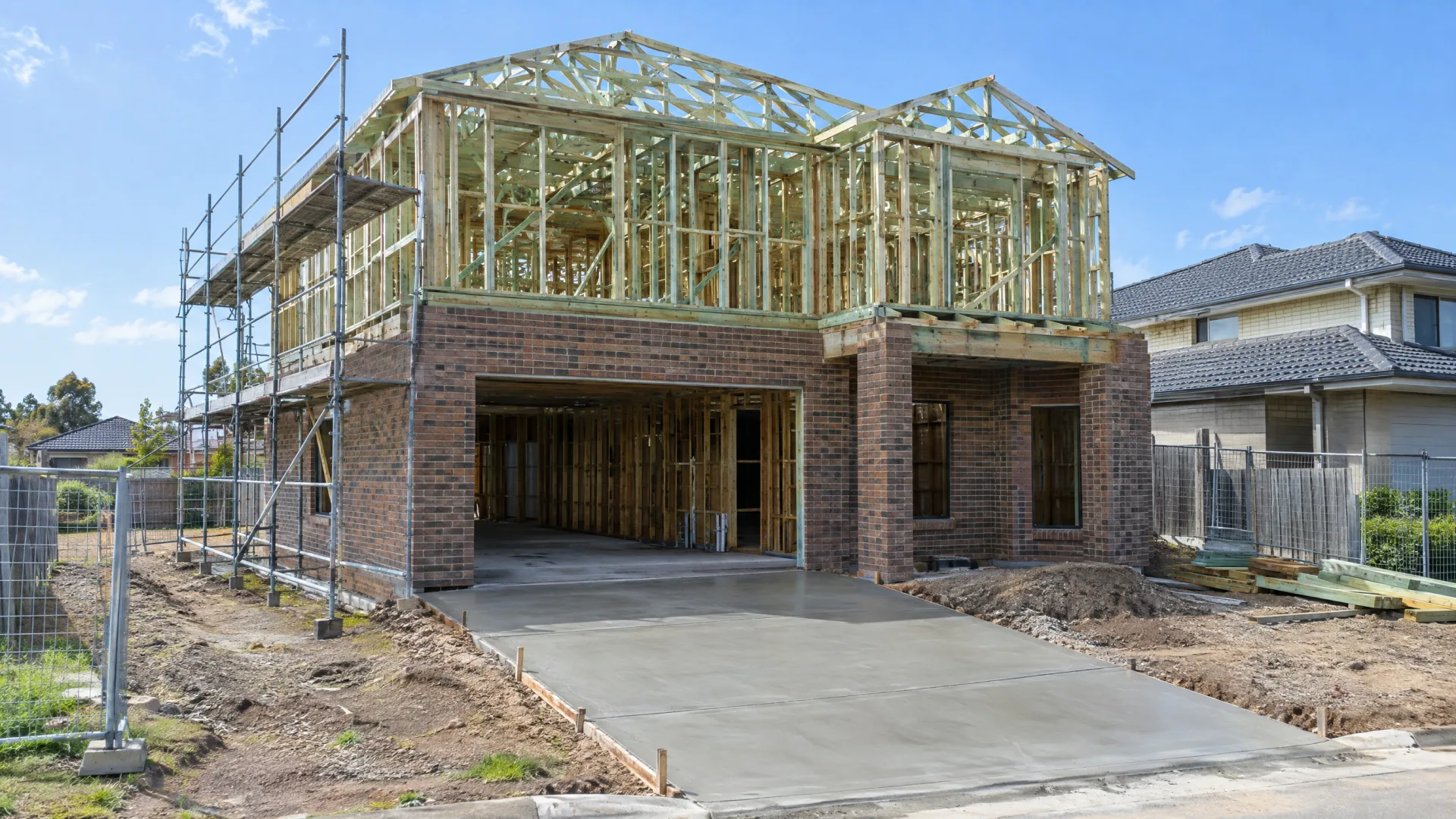
Complying development certificate (CDC)
Also known as: CDC, complying development approval
Definition
A complying development certificate, or CDC, is a New South Wales approval that combines development consent and construction approval in one document. It is available where a proposal meets every standard in the relevant complying development code, and it can be issued by a council or a registered certifier.
How a Complying Development Certificate Works
A complying development certificate is the fast approval pathway in the New South Wales planning system. Where a proposal meets every development standard that applies to it, the rules treat it as pre approved, and one certificate does the job of both a development consent and a construction approval.
The standards sit mostly in the State Environmental Planning Policy (Exempt and Complying Development Codes) 2008, usually called the Codes SEPP. It contains separate codes for categories such as housing alterations, new dwellings, commercial and industrial development, and subdivision. Each code sets numeric standards covering matters like setbacks, height, floor area, site coverage and landscaped area.
A CDC can be issued by the council or by a registered certifier, and both carry the same legal effect. That choice is part of why the pathway is popular, because an applicant is not sitting in the same queue as merit assessed applications.
Since there is no merit assessment, the test is strictly binary. The certifier is not weighing up whether the development is reasonable or appropriate. They are checking compliance against a list, and a proposal that misses one standard is not eligible, however minor the shortfall looks.
CDC vs the DA and Construction Certificate Pathway
The two pathways answer different questions, and knowing which one a job is on changes the programme more than almost any other early decision.
The council pathway has two steps. A development application is assessed on its merits and, if approved, a development consent issues. A construction certificate is then needed before physical work can start, confirming the detailed plans comply with the Building Code of Australia and with the conditions of consent.
The complying development pathway has one step. The CDC covers the planning approval and the construction approval together, so no separate construction certificate is needed.
What the pathways share is everything that follows. On either route a principal certifier has to be appointed and notice given before work starts, inspections happen at set stages during construction, and an occupation certificate is required before the building can be occupied or used.
For a builder the real difference is certainty against flexibility. A CDC is faster and far more predictable, but it allows no design latitude at all. A development application is slower and less certain, and it is the only route for anything that needs judgement applied to it.
When a CDC Is Not Available
Complying development is unavailable in more situations than people expect, and most of them are about the land rather than the building.
The proposal misses a standard. Any single numeric standard that is not met removes the option, regardless of how small the miss is.
The land is constrained. Heritage items and conservation areas, environmentally sensitive land, and some flood, bushfire and acid sulfate soil situations are commonly excluded or heavily limited.
The development is not covered by a code. The Codes SEPP deals with defined categories. Anything outside them goes through a development application.
The use is not permissible. Complying development still has to be allowed in the zone.
Other approvals still apply. A CDC does not sweep up everything else. Separate approvals can still be needed from the council for matters such as footpath and road occupation, driveway crossings, tree removal and waste, and from utility and water authorities for their assets.
Where a job sits just outside a standard, the choice is to redesign so that it complies or to accept the development application pathway and its timeframe. A certifier has no power to vary a complying development standard.
Common Mistakes With a CDC
Assuming a CDC means no conditions. Complying development carries prescribed conditions, including notifying neighbours before work starts, hours of work and site management requirements, and they are enforceable.
Treating the certificate as permission to start. A principal certifier still has to be appointed and notice of commencement given before work begins, and the required insurance or warranty arrangements usually have to be in place first.
Designing loosely to the standards, then applying. The certifier cannot exercise discretion, so a near miss means a redesign or a change of pathway, and both cost weeks.
Forgetting the separate council and authority approvals. Work affecting the footpath, the kerb, a street tree, or a water or sewer asset usually needs its own approval that has nothing to do with the CDC.
Carrying the planning risk silently in a lump sum price. Where the approval pathway is not settled at tender, the cost and programme difference between a CDC and a development application is substantial, and that risk is better named than absorbed.
Frequently asked questions
What is a complying development certificate?
−
It is a New South Wales approval that combines development consent and construction approval in one document, available where a proposal meets every standard in the relevant complying development code. A council or a registered certifier can issue it.
What is the difference between a CDC and a construction certificate?
−
A construction certificate is the second step on the council pathway, needed once a development application has been approved. A CDC replaces both steps at once, so a project approved by CDC does not need a separate construction certificate.
Who can issue a CDC in NSW?
−
Either a council or a registered certifier, and both have the same legal effect. Applicants often use a private certifier, because complying development is not assessed on its merits and does not sit in the same queue as a development application.
Can a complying development certificate be refused?
−
A certifier cannot issue a CDC for a proposal that fails any applicable standard, and has no power to grant a variation. If the proposal does not comply, the options are to redesign so that it does, or to lodge a development application instead.
Do you still need an occupation certificate with a CDC?
−
Yes. The CDC covers the approval to build. An occupation certificate is still needed before the building can lawfully be occupied or used, and the inspections set by the principal certifier still have to happen during construction.
Related terms
Browse the glossary

The AI Construction Operating System
One platform, one data model, every project. Built in Australia, for the world.
YOUR DATA, PROTECTED
Hosted on AWS Sydney with Australian data residency.


GET THE MOBILE APP
Platform
Solutions
© 2026 Plexa Pro Pty Ltd. ABN 63 668 433 136