Ask your projects data anything. Get answers in seconds. Plexa MCP Connector is live. See it in action

Subcontractor Onboarding Checklist
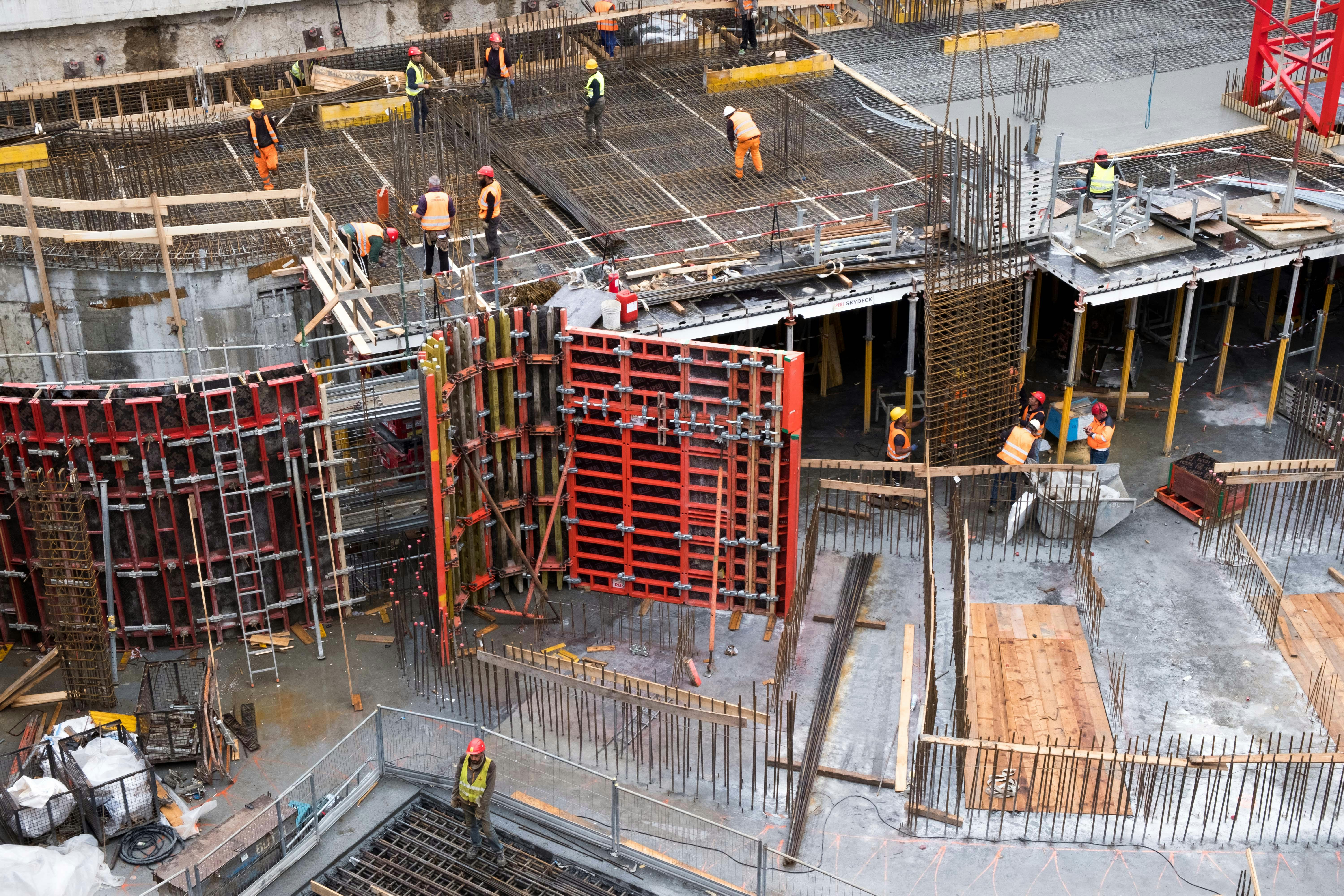
A crew of plumbers turns up on Monday morning, ready to work. The Site Manager asks for their SWMS, white cards and insurances — none of it is ready. The crew spends the first three hours sitting in the site shed, filling out forms instead of building.
Site Management
Pre-Construction
Productivity takes a hit, the programme slips and the compliance risk spikes if someone slips through the cracks.
That chaos could’ve been avoidable with a tight subcontractor onboarding process completed before boots hit the dirt. This subcontractor onboarding checklist gives Site Managers, Project Managers and WHS Managers a clear, repeatable way to get every trade ready to work from day one.
Use our guide below as your standard pre-start pack.
Phase 1: Pre-arrival compliance
This is the office work that should be completed before a subcontractor is allowed on site. If this phase is incomplete, you’re starting the job with gaps you’ll chase later, usually under time pressure.
Collect and verify:
Company legal name, ABN, contact details and key site contacts
Scope of works confirmation and agreed start date
Relevant trade licences and registrations for the subcontractor and key workers
Workers' compensation insurance (certificate of currency)
Public liability insurance (certificate of currency)
Contract or work order acceptance, including the variations process
Subcontractor banking details for payments (if required)
Any required project-specific forms, declarations or client registers
Tip: Set clear cut-off dates. If compliance docs are due 48 hours before mobilisation, you avoid Monday morning surprises.
Phase 2: Health, Safety and Environment (HSE)
This is where onboarding moves from admin to real risk control. Your subcontractor onboarding should prove that the subcontractor understands the site hazards, the work safety standards and can execute the work safely.
Collect and review:
Site-specific SWMS submitted, reviewed and accepted (not generic templates)
High-risk work licences where applicable (e.g., EWP, dogging, rigging)
SDS for hazardous substances and confirmation of storage requirements
Plant and equipment registers, inspections and maintenance evidence
PPE requirements understood and confirmed
Emergency response details acknowledged, including muster points and first aid arrangements
Any client-specific HSEQ requirements (reporting, audits, toolbox expectations)
If your site has a dedicated safety lead, align this phase with the broader responsibilities outlined in the WHS manager responsibilities so there’s no confusion about who approves what and when.
Phase 3: Site inductions and access on day one
Day one shouldn’t be a paperwork marathon. Making subcontractors read a 50-page binder while the site is already moving is ineffective, and it rarely results in better understanding.
As a project or site manager, your goal is simple: confirm identity, verify tickets and induct quickly so people can start work safely.
On the first day, confirm:
White cards and any required site tickets were verified against the worker attending
Induction completed and signed off (site rules, hazards, reporting lines)
Emergency procedures walkthrough completed
Site rules understood (parking, access routes, smoking areas, amenities, deliveries)
Permit to work requirements explained (hot works, confined spaces, isolations)
The sign-in and sign-out processes were followed, including visitor rules
Supervisor contacts shared and communication expectations set (toolboxes, pre-starts, reporting)
A practical improvement is to send induction content in advance and use day one as a quick verification step rather than a full training session.
The hidden cost of a manual subcontractor onboarding process
If you’re still managing this process with paper forms, ring binders and scattered emails, you’re bleeding productivity.
Consider the cost: A manual induction process may take, on average, two hours per worker when factoring in paperwork, video training and document verification. If a five-man crew arrives, that’s 10 man-hours of productivity lost before work even begins.
Over the life of a mid-sized project with 200 different workers, that equates to 400 hours of lost time. At an average trade rate, this amounts to thousands of dollars in hidden costs, not including the administrative time your site team spends filing the paperwork.
How to automate subcontractor onboarding and site access
The fastest onboarding is the one done before the subcontractor arrives. Automation helps you standardise your subcontractor onboarding process, reduce admin load and tighten compliance at the same time.
With Plexa, subcontractors can complete digital inductions on their phones before stepping onto the site. Instead of chasing paper forms and scanning attachments, you can collect key documents up front, review them centrally and maintain a clear audit trail.
This is where the real productivity gain comes from:
Digital inductions completed pre-arrival, not in the site shed
Compliance documents stored centrally, not across email threads
Expiry tracking for tickets, insurances and critical safety docs
Faster mobilisation because the crew is ready to work on arrival
For high-risk environments, access control becomes the ultimate failsafe. Plexa’s Site Operations and Access Control capabilities can support facial recognition turnstiles that deny entry if a worker’s compliance requirements are not met (e.g. expired tickets, missing inductions or outdated documentation). It’s a physical control that backs up your subcontractor onboarding rules.
Don't let paperwork slow down your site productivity. Discover Plexa’s practical guidance for site management today.
Related Articles


The AI Construction Operating System
One platform, one data model, every project. Built in Australia, for the world.
YOUR DATA, PROTECTED
Hosted on AWS Sydney with Australian data residency.


GET THE MOBILE APP
Platform
Solutions
Resources
© 2026 Plexa Pro Pty Ltd. ABN 63 668 433 136